I am interrupting normal service on this site to post my translation of an inportant biblical text which has influenced the history of the world, especially through the Protestant Reformation. I hope some readers will find it interesting.
THE LETTER OF PAUL to ROMANS
Preface
This translation was originally produced piecemeal for my more or less daily Bible Blog (emmock.com) along with some brief commentary. I became aware almost immediately that translating Paul involves major decisions about his vocabulary, style, purpose and theology. I would urge readers not to imagine that I have made any decisions without considerable research and deliberation. That’s not to say that I’m satisfied with them all; languages do not fit each other perfectly and even the best translations contain imperfections, if not outright errors. I am not a scholar but merely a diligent reader with some of the skills needed for this job, which I have undertaken out of a love of Paul and his joyful news.
I am pleased to make it available online for public use. I would be happy to receive corrections or suggestions by email (mvamair@gmail.com) and would ask anyone quoting from it in print to acknowledge its authorship.
Finally I want to dedicate this minor effort of biblical interpretation to Rev. Peter Thomson, whose comradeship in matters of faith, reason and wry humour is always encouraging.
FROM PAUL, a slave of Jesus Messiah, called as an emissary and set apart as a preacher of the Joyful News that God had announced earlier through his prophets in the holy writings, about his Son. A flesh and blood descendant of King David, he was installed in power as Son of God by God’s spirit through his resurrection from the dead. He is Jesus Messiah, our Lord.
From him I have received kindness and the status of emissary for his honour, to encourage trustful obedience amongst all peoples, amongst whom you also are called to belong to Jesus Messiah.
To all God’s loved ones in Rome, who are called to be holy, kindness to you and peace from God our father and the Lord Jesus Messiah!
First, I thank my God through Jesus Messiah for you all, because news of your trust has gone out to all the world; for God is my witness, to whom I give my spiritual service in the Joyful News of his Son, that at all times I remember you in my prayers, asking that by God’s will I may now at last succeed in coming to you. For I long to see you, to give you some spiritual benefit that will strengthen you- I mean, that we may be mutually encouraged by each other’s trust, yours and mine. I want you to know, my brothers and sisters, that I have often intended to come to you – but have been prevented until now- so that I could work fruitfully amongst you, as I have done amongst other peoples. To Greeks and barbarians, wise and unwise, I am under equal obligation; so for my part, I am eager to announce the Joyful News to you in Rome as well.
I am shameless about the Joyful News, since it is the rescuing power of God for everyone who trusts in him, for the Jew first and also for the Greek. For the saving justice of God is unveiled in it, from his trust to ours, as the scripture says, “Just people will live by trust.”
But God’s anger is displayed from heaven towards all the impiety and injustice of human beings who by injustice suppress the truth. The facts about God are evident to them, because God has made them evident. For the unseen things of God, such as eternal power and divine nature, are made clear to the mind ever since the world’s creation, in the things that have been made. So they have no defence. In spite of knowing God, they neither honoured him nor gave him thanks, but became idolatrous in their reasoning and overshadowed in their hearts. Trying to be clever they became idiots, exchanging the glory of the undying God for the fabricated likenesses of mortal men and women, birds, animals and reptiles. For this reason God handed them over, in the desires of their hearts, to the impurity of dishonouring their bodies with each other. They exchanged the truth of God for a falsehood, by serving in worship the creature rather than the Creator, who is blessed forever. Amen! Yes, for this reason, God handed them over to shameful affections: their females exchanged natural sexual behaviour for what is contrary to nature; and in the same way the males, neglecting natural sex with females, burned with lust for one another -males did shameful things with males – and so received in their own persons the due reward for their wrong belief. Because they did not think God worth their attention, God handed them over to a worthless compulsion, to do worthless things.
They were filled with all kinds of injustice, depravity, greed and malice; full of envy, murder, violence, deception and craftiness. They became whisperers, slanderers, God-haters, insolent, proud and boastful. Inventive in wrongdoing, they were disobedient to parents, irrational, faithless, heartless and ruthless. Although they know the just verdict of God, that people who do such things deserve to die, they do them and are pleased with those who also do them.
Whoever you are, you leave yourself with no defence as a judge, if you do the very same things for which you are condemning others. For we know that God’s judgement is shrewdly made on those who do such things. Do you imagine if you stand in judgement over people who do such and such while doing it yourself, that you’ll escape the judgement of God? Or are you presuming on the abundant goodness, forbearance and longsuffering of God, ignoring the fact that God’s goodness is meant to drive you to a change of mind? With your hard and unrepentant heart you are piling up anger for yourself on the Day of Anger, when God’s just judgements will be openly displayed. For God will reward each one according to his actions.
Whoever seeks glory and honour by the discipline of good deeds will get eternal life; whoever serves injustice through strife and refusal of truth, will get fierce anger. There will be sharp pain and distress for each human soul that produces evil, Jews first and Greeks after; honour and peace to each one that labours for the good, Jews first and Greeks after, for God has no favourite faces.
People who sin outside the Jewish Law will be destroyed outside the Law; while people who sin within the Law will be condemned by the Law; for it is not those who hear the Law who are recognised as just before God, but those who do the Law who will be justified. When people who do not have the Law naturally do lawful actions, they are a Law for themselves, although they do not have the Law. They show that the actions of the Law are written on their hearts, as their conscience confirms, with their embattled thoughts either denouncing or defending them, on the day when according to my Joyful News of Messiah Jesus, God will judge the secrets of men and women.
But if you call yourself a Jew, rely on the Law, take pride in God, know his will and discern what is best as you are instructed by the law; and if you are confident that you are a guide to the blind, a light to people in darkness, a corrector of fools, a teacher of babes, because you have in the Law the perfect form of knowledge and truth, yes, you, teacher of others, will you not teach yourself? Preaching the command against stealing, do you steal? Quoting the command that forbids adultery, do you commit it? Detester of idols, do you rob their temples? Boaster about the law, do you dishonour God by breaking it? As scripture says, “The name of God is reviled among the Gentiles because of you.”
Foreskin-snipping is indeed of value if you obey the law; but if you break the law, your snipping has become foreskin-possession. So, if those who possess foreskins keep the requirements of the law, won’t their possession be regarded as snipping? Then those who are physically in possession of foreskins but keep the law will condemn you that have the written code and the snipping but break the law. For no one is a Jew by outward appearance nor is true snipping something external and physical. Rather, a person is a Jew by inward reality; and real snipping is a matter of the heart—a matter of the Spirit rather than the written Law. Such a person receives praise not from others but from God.
So is the Jew better off? Is there any profit in snipping?
A great deal in all respects! For a start, the Jews were entrusted with the commandments of God. So what if some were unfaithful; does their faithlessness nullify the faithfulness of God? Certainly not! Let God be true even though all human beings were liars! As Scripture says, “That you may be proved right in your words and prevail when you are brought to judgement.”
But if our wrongdoing serves to prove the justice of God, shall we say it is unfair of God to inflict his anger upon us (This is worldly language)? Certainly not! For how then could God “judge the world”? But if God’s truth gains extra credit through my lie, why am I condemned as a sinner? Indeed, “Why not do evil so that good may come of it?” as some people slanderously claim I’ve said. Well, they are fairly condemned! But does their wrongness exceed ours as Jews? Not at all, for I have already proved that Jews as well as Greeks are under the power of sin. As Scripture says,
“There are no just people, no, not one; no one thinks wisely, no one looks to God; all have wandered from the road and become worthless, no one does good, no, not one. Their throat is an open grave, their tongues are treacherous, the venom of vipers is under their lips, their mouths are full of curses and spite. Their feet are swift to bloodshed, they have taken the road to ruin and misery, but ignored the way of peace. There is no fear of God in their eyes.”
We know that whatever the Jewish Law says, it speaks to those who are under the Law, so that every mouth may be shut and the whole world held accountable to God. Therefore by the deeds of the Law no flesh-and-blood person is justified in God’s court, since by the Law comes recognition of sin.
But now the justice of God is demonstrated apart from the Jewish Law – although Law and Prophets bear witness to it – the justice of God through the faithfulness of Jesus, for all believers without distinction. All have sinned and come short of God’s splendour but are made just by his kindness as a gift, since they are bought back from slavery through Messiah Jesus. God set him out publicly as the place of his merciful presence for those who trust in his blood, passing over in his pity the sins of times past, and now in this present time displaying his justice: so that He might be just, and make just the one who trusts in Jesus’ faithfulness.
So what place is there for self-advertisement? It is excluded. By what sort of Law? A Law of prescribed actions maybe? No, but by a Law of trust. For I consider that a person is made just apart from the prescribed actions of the Law.
Or maybe God is only a Jewish God? But isn’t He a Gentile God also? Yes, He is a Gentile God also. For God is One and makes the snipped and the foreskinned just by their trust. So are we abolishing the Law by trust? No, on the contrary, by trust we are confirming the Jewish Law.
So how will I speak about what my progenitor Abraham has found? Clearly, if Abraham became a just man by his own work he has reasons for self- promotion (although not in God’s court!).
What does Scripture say?
Abraham put his trust in God and it was credited to his account as justice.
Now in the case of a worker, his wages are seen as his due, not as a gift. But in case of the one who, although he is not a worker, puts his trust in the One who makes the wrongdoer just, his trust is credited to his account as justice.
Similarly, in the Psalms, David mentions the good fortune of the person whom God credits with justice apart from work:
How fortunate are those whose lawless actions are forgiven and whose sins are covered over. How fortunate is the man whose sin the Lord will not tally up.
Is this blessing then only for the snipped, or also for the unsnipped? For we say that trust was added to Abraham’s account as justice. But when was it added? Was it when he was snipped or when he still had a foreskin? It was not when he was snipped but when he was unsnipped! He took on the sign of snipping as a mark of the justice that he got by trust while he was still unsnippped, so that he might become the father of all the unsnipped who place their trust in God; and so that justice might be added to their accounts as well. Indeed it was so that he might also become the father of the snipped -who- are-not-merely-snipped, but walk in the steps of the trust that Abraham showed, before he was snipped.
It was not through the Jewish Law that the promise was made to Abraham or his offspring of inheriting the world, but through the justice of trust, for if inheritance comes through the Law, trust is empty and the promise is void. (The Law produces God’s anger, but if there’s no Law, there’s no deviation from it.) That’s why the promise depends on trust, so that it might issue from kindness and be assured to all his offspring, not only to those from within the Jewish Law, but also to the offspring of his trust, for Abraham is the father of us all -as Scripture says, “I have made you a father of many nations”. He is the father of us all in God’s judgement, the God in whom he trusted, who enlivens the dead and calls non-existences into being.
Hoping against hope, he trusted that he would become the father of many nations, as he had been told, “That is what your offspring will be.” His trust was not weakened although he considered his own body as more or less dead -he was a hundred years old after all- and Sarah’s womb as lifeless. He did not wobble into doubt but grew strong in trust as he honoured God, as he was wholly persuaded that God was able to do what he had promised. That’s why his trust was credited to his account as justice.
Now the words “credited to his account” were written not just for his sake, but also for us, whose accounts will also be credited, as we trust in the One who awakened from death our Lord Jesus, who was given over to death for our faults and awakened to make us just.
So, since we have been made into just people by our trust, we have peace with God through our Lord Jesus Messiah. Through his faithfulness we also have a way into this divine goodwill in which we stand and boast – in hope! – of the splendour of God. Not only that, we even boast of our troubles; knowing that trouble produces endurance; endurance produces fortitude; and fortitude issues in hope; and hope does not disappoint us, because God’s love has been poured out into our hearts through the Holy Spirit, which has been given to us.
While we were still feeble, at the appointed time, Messiah died for those who despise God. Now hardly anyone will die even for a decent person – although maybe for a good person someone would have the courage to die- but God proves his love for us in that while we were still wrongdoers, Messiah died for us.
If now, in his blood, we have been made into just people, how much more shall we be rescued by him from God’s anger! For if while we were enemies, we were reconciled to God by the death of his son, so much the more now we shall be rescued by his life. Not only that, even our self-advertisement is now in God through our Lord Jesus Messiah, by means of whom we received reconciliation. So we may say that just as sin came into the world through one man, and through sin, death which spread to all human beings because they all sinned –
(prior to the Jewish Law, there was sin in the world, but sin is not counted when there is no Law. Yet death held sway from Adam to Moses, even over those whose sin was not like the commandment- breaking of Adam. He is the negative image of the One-to- Come. But the favour is not to be compared with the wrongdoing. For if death came to many through the wrongdoing of one man, God’s favour to so many as a gift through the one man Jesus Messiah has done much more. Nor is the gift to be compared with the result of the one man’s sin. For the judgement after one wrong action was condemnation, but the favour after many wrong actions makes wrongdoers into just people. Because of one man’s wrongdoing death ruled through that one man; but those who receive God’s overflowing favour and saving justice will rule much more powerfully in life)
– one man’s wrongdoing brought condemnation on all humanity but one man’s just action brings a just life to all. By one man’s disobedience many were made sinners, but by one man’s obedience many will be made just. When the Jewish Law arrived, it multiplied the wrongdoing, but where sin increased, God’s favour was superabundant, so that as sin ruled in death, God’s favour would also rule through the rescuing justice that offers eternal life through Jesus Messiah, our Lord.
So am I saying that we should keep on sinning so that God’s favour may increase?
Certainly not! If we’ve “died” to sin, how can we still live in it?
Don’t you know that all of us who have been baptised into Messiah Jesus were baptised into his death? We were buried with him by our baptism into death, so that, just as Messiah was raised from the dead by the Father’s splendour, we too might walk in a new way of life. If we have been planted with him in a death like his, we shall surely sprout with him in a resurrection like his.
We know this: that our old self was crucified with him in order that our sinful identity might be annulled and we might be slaves of sin no longer. For when you are dead, you are cured of sin. So if we are dead with Messiah, we trust that we will also live with him. Now raised from the dead, Messiah dies no more, for death has no dominion over him. In his death he died to sin once and for all, but in his life he is alive to God. Think of yourselves too in this way, as dead to sin and alive to God through Messiah Jesus.
Do not allow Sin to rule in your mortal body to make you obey its desires. And do not offer parts of your body as instruments of wrongdoing but offer yourselves to God as people raised from death to life, and your bodily parts to God as instruments of justice. Sin should have no dominion over you as you are not under Law but under God’s kindness. So what now? Will we continue sinning because we are not under Law but under kindness? Surely not! Don’t you know that if you offer yourselves to anyone as slaves to command, you are indeed slaves of the one you obey, whether you are slaves of Sin, which leads to death, or of God whose rule leads to justice. But God be praised, though you were once slaves of Sin, now you wholeheartedly obey the pattern of teaching to which you have been handed over; for now that you have been set free from Sin, you are slaves of God’s justice.
I’m speaking in this all too human fashion because of the weakness of your natural humanity. Just as once you offered parts of your body as slaves to unclean habits, to grow in lawlessness, so now you must offer them as slaves to God’s justice, to grow in holiness. For when you were slaves of Sin you were free from justice. But what benefit were you getting from actions of which you’re now ashamed? In fact, these lead to death. But now that you’ve been set free from Sin and are enslaved to God, you have the benefit of growth in holiness which leads to eternal life.
Sin pays you a wage, which is death; but God freely gives you eternal life in Messiah Jesus, our Lord.
Perhaps you do not realise, brothers and sisters- I am speaking to those who know the Jewish Law- that the Law only applies to people as long as they are alive? So a married woman is bound by Law to her living husband but if the husband dies she is released from the marriage bond. Accordingly, she can be called an adulterer if she joins herself to another man while her husband is alive, but if her husband dies, she is free from the Law and is not an adulterer if she joins herself to another man. In the same way, brothers and sisters, as part of the body of Messiah, you have died to the Law and have been joined to Another Partner, the One raised from the dead so that we could bear fruit for God.
While we lived by mere flesh and blood standards, our sinful desires, aroused by the Law, were at work in our bodily organs to bear fruit for death. But now, since we are dead to the power that held us captive, we are released from the Law to be slaves in the new way of the Spirit, not the old way of the written code.
Am I saying that the Law is Sin? Not at all! But I would not have known Sin without the Law, as I would not have known about coveting if the Law had not said, “You shall not covet”. Then Sin, taking advantage through the commandment, produced in me all sorts of covetous desire – for without the Law, Sin is a dead thing. Once I was alive without the Law; but when the commandment arrived, sin came to life and I died. I found that the commandment directed towards life, was death to me. For Sin, taking advantage through the commandment, tricked me and killed me through it.
Yes, the Law is holy and the commandment is holy, just and good. So did something good become death to me? Not at all! Rather it was Sin, flaunting its sinfulness, which produced death in me through something good, in order that through the commandment Sin might become outstandingly sinful.
I know that the Law is spiritual but I am a flesh and blood person, sold to Sin. I do not understand my own actions, for I don’t do what I want, but I do what I hate. And if I do what “I don’t want”, I show that actually I agree with the Law, that it is good. So in this, I am no longer the agent, but Sin who makes his home in me. Indeed I know that nothing good makes its home in me – in my flesh and blood self, I mean. Wanting to do good is part of my nature, but doing it is not. I fail to do the good I want, but I do the evil I don’t want. I discover it to be a law that when I want to do good, evil makes its presence felt. I delight in God’s Law in my inmost being, but I see in the limbs and organs of my body another law, battling against the law of my mind, making me prisoner to the law of Sin, that makes its home in my body. Miserable human creature that I am, who will rescue me from this body that brings death? Praise God, it happens through Jesus Messiah our Lord!
To sum up then, I slave for the Law of God with my mind, but with my flesh and blood I slave for the law of Sin.
There is now no death-sentence on those who share the life of Messiah Jesus, for the Law of the Spirit of life has freed you- in Messiah Jesus- from the law of Sin and Death. What the Law could not do because it was enfeebled by flesh and blood, God has done by sending his son in the likeness of sinful flesh and blood to deal with sin: he has passed sentence on sin in flesh and blood humanity, so that the justice of the Law could be fulfilled in us, who live no more by the power of flesh and blood, but by the power of the Spirit.
Yes, people who live by the power of flesh and blood set their minds on flesh and blood matters; but people who live by the power of the Spirit set their minds on spiritual matters. The flesh and blood mindset is death, but the spiritual mindset is life and peace. The flesh and blood mindset is at enmity with God, because it does not subordinate itself to God’s Law; in fact, it cannot do so.
People who live by the power of flesh and blood cannot please God.
You however do not live by flesh-and – blood power but by the power of the Spirit, if in fact God’s Spirit makes its home in you. Anyone who does not have the Spirit of Messiah is not his. But if Messiah is in you, even though the body is dead through sinful actions, the Spirit is life through just actions. And if the Spirit of the One Who Raised Messiah from the Dead makes its home in you, that same One will give life to your mortal bodies, by his Spirit dwelling in you.
In view of that, brothers and sisters, we are under obligation, but not to our flesh and blood to live by its power; for if you live by its power you will die, but if by the Spirit you kill the habits of the body, you will live. Everyone who is guided by the Spirit is a child of God. You did not receive a slavish spirit which once again encourages fear, but an adoptive Spirit in which we cry out to God, “Abba, dear Father!” God’s Spirit gives evidence along with our spirits that we are God’s children; and if we are children, we are also heirs, God’s heirs and joint-heirs with Messiah, so that if we have a share in his pain, we shall also have a share in his splendour.
I reckon that the sufferings of this present age are nothing in comparison with the splendour that will be revealed to us; for the creation peers ahead eagerly towards the unveiling of God’s children. The universe was made subject to frailty, not by its own decision, but by the One who subjected it, in hope that the universe itself will be liberated from its slavery to decay into the splendid freedom of God’s children. For we know that until this day all creation groans together in the pains of childbirth – and not only creation, but even we who have the Spirit as the first fruits of God’s harvest, groan within ourselves as we await our adoption as children, that is, the ransoming of our bodies from death: we are rescued in hope. Now, a hope that is already seen is not really hope- who hopes for what she sees? But if we hope for what we do not see, then we await it steadfastly.
In the same way the Spirit works alongside us in our weakness: we do not know how to pray as we should, but the Spirit itself pleads for us in wordless groans; and the Searcher of Hearts understands the intention of the Spirit because it pleads for God’s people in God’s way. Indeed we know that for those who love God, all things co-operate for good; for those, that is, who are called as part of His plan. Those, whom he loved in advance, he also designed in advance to be re-modelled in the likeness of his Son, so that He might be the firstborn among many siblings. Yes, those he designed in advance, he also called to his side; and those he called, he also made into just people; and those he made just, he also made splendid.
If God is for us, who can be against us? The One who did not keep back his only son but handed him over for us all, how will he not with him also freely give us everything? Who can accuse God’s chosen people? It is God who makes them just. Who will pass judgement against us? It is Messiah Jesus who died, or rather was raised from the dead, and is at God’s right hand, he pleads our cause.
Who will come between us and the love of Messiah? Will affliction or hard times or persecution? Will famine, poverty, danger or war? (As the Scripture says, “For your sake we are being killed every day; we are considered as sheep for the slaughter.”) No, our victory in all these circumstances outdoes the imperial conquerors, though the One Who Loved Us. For I have been persuaded that neither death nor life, nor angels nor rulers, neither things present nor things to come, nor cosmic powers in height or depth, nor any other created thing, can come between us and the love of God that is in Jesus Messiah our Lord.
I am speaking truth in Messiah, with no deception; my conscience testifies along with me in the Holy Spirit-
I have great sorrow and continuing pain in my heart, and could wish myself cursed and cut off from Messiah for the sake of my brothers and sisters, my flesh and blood family. Yes, they are Israelites! Theirs is the status as God’s children, the glorious privilege, the covenants with God, the giving of the Law, the temple worship and the promises, theirs the fathers of faith; and from their flesh and blood has come the Messiah, who rules over all, God blessed forever, amen.
But don’t imagine the Word of God has taken a fall. Not all those who are descended from Abraham are his true children, but rather, “Your descendants shall be named though Isaac.” – meaning his flesh- and -blood children are not children of God, but the children of the promise are enrolled as “descendants.” For this is the text of the promise, “At this time next year I shall return and Sarah will have a son.” There’s also the case of Rebecca when she was pregnant with twins by our forefather Isaac. While they were still unborn and had done nothing good or bad, she was told, in order that God’s design might succeed through choice, –that is, through the One who calls us, not through human achievement- she was told, “The older will slave for the younger.” Indeed the Scripture says, “I loved Jacob but hated Esau.”
What can I say to that? That God is unjust? Surely not! For God says to Moses, “I will be kind to those I am kind to; and will show pity on those I pity.” So it is not by human will or effort but by the kindness of God. Again, Scripture says to Pharaoh, “This is why I have exalted you: in order to show my power in you and make my name known in all the earth.” So the he is kind to anyone he wants and he hardens the heart of anyone he wants.
Now you’ll say to me, “So how come he still finds fault? Who can resist his will?”
Mortal man, who are you to bandy words with God? Will the pot say to the potter, “Why have you made me like this?” Surely the potter has power over the clay to make from the one lump a vessel for prestigious use and another for common use! What if God, in order to demonstrate his anger and make known his power, has brought forth in great anguish, vessels of anger, designed for destruction; so that he might make known his rich splendour to vessels of kindness which he has prepared for splendour? – I mean us, the ones he has called, not from amongst Jews only, but also from Gentiles. As in fact God says in Hosea” Those who were not my people I will call ‘my people’, and she who was not loved, I will call her ‘beloved,’ and in the place where they were told, ‘You are not my people’, there they shall be called ‘children of the living God’”
Isaiah prophesies about Israel:
“Though the children of Israel are as numerous as the sea sands
only a remnant of them shall be rescued.
For by bringing to an end and cutting short
the Lord will perform his word on the earth.
And as Isaiah foretold:
“If the Lord of Armies had not left us a seed
we would have become like Sodom
we would have resembled Gomorrah.
Shall I put it like this? The Gentiles who did not press for justice have got justice, namely the justice that comes from trust; while Israel who pressed for a Law of justice did not reach it. Why? Because they did not press for it out of trust, but as it were out of achievement. They “tripped over the stumbling stone,” as Scripture says,
“Behold I am laying in Zion
a Stone to cause stumbling
a Rock to cause offense;
and whoever trusts in Him
will not be put to shame.”
Now Moses writes that the person who does the just actions prescribed by the Jewish Law will get life by it. But the justice that comes from trust says, “Don’t say in your heart,’ Who’ll go up to heaven?’– meaning to bring Messiah down- or ‘Who’ll do down to the depths?’” – meaning to fetch Messiah up from the dead. But what does it say? “The word is near you, in your mouth and in your heart- meaning the word of trust that we are announcing. So if you openly declare with your mouth that Jesus is Lord and trust in your heart that God raised him from the dead, you will be rescued. For a person trusts in her heart and is made just; she declares with her mouth and is rescued. The Scripture says, “None who trust in him will be let down.” There’s no separation of Jew and Greek for the same Lord of all enriches all who recognise him, since “all who recognise the Lord will be rescued.”
But how can they recognise one in whom they have no trust? And how can they trust in one of whom they have never heard? And how can they hear without someone announcing the message? And how can they announce the message unless they are commissioned to do so? As the Scripture says “How lovely are the feet of those who announce the joyful news of good things!” But not all have listened to the joyful news; as Isaiah says, “Lord, who has trusted our report?” Trust comes from hearing and hearing comes through the message of Messiah.
But I ask you, have they not heard it? Of course they have, for “To all the earth their sound has gone out; their words to the limits of the inhabited world.” And I ask you, did Israel truly not understand? For firstly Moses says, “By means of those who are no nation I will make you jealous; by means of an ungodly nation I will make you angry.” Then Isaiah dares to say, “I have been discovered by those who did not look for me; I have shown myself to those who did not ask for me.”
But of Israel he says, “All day I have stretched out my hands to a disobedient and obstinate people.”
So I can ask, has God banished his people? Certainly not! For I myself am an Israelite, a descendant of Abraham, of the tribe of Benjamin. God has not banished the people whom he knew in advance as his own! Don’t you know the Scripture says of Elijah, how he appeals to God against Israel?
“Lord, they have killed your prophets and torn down your altars; and I alone am left, and they seek my life.”
But what does God’s voice say to him?
“I have kept for myself seven thousand men who have not bowed the knee to Baal.”
In the same way then, there is at the present time a remnant of Israel, chosen by kindness. But if it is by kindness then it is no longer by human achievement, since otherwise kindness would not be kindness at all.
What follows? Israel did not get what it was after. Well, God’s chosen ones got it, but the rest were given hearts of stone. As the Scripture says,
“God put them in a dwalm, eyes without sight and ears without hearing, down to this very day.”
And David says, “May their rich table become for them a snare, a trap, a trip-stone and a punishment! May their eyes be benighted so that they cannot see, and may they always be subject to error.”
So I ask you, did they err so that they might have a fall? Certainly not! On the contrary, through their falling away God’s rescue has come to the Gentiles, so as to make Israel envious. So here I am, speaking with you Gentiles. In so far as I am the “Emissary to the Gentiles” I glorify my ministry to see if I can move my flesh and blood to envy, and so rescue some of them. After all if their rejection means the world’s reconciliation, what will their acceptance mean, if not life from the dead?
If the first portion of the dough for the sacred loaves is holy, the lump is as well. If the root is holy, so are the branches. But if some of the branches were cut out, while you as a wild olive were grafted in amongst the rest and share the common life of the rich root of the olive tree, do not lord it over the branches. If you do, remember it’s not you that sustain the root, but the root sustains you. Then you may say, “Branches were cut off so that I could be grafted in.” True, they were cut off because of their lack of trust while you stand firm in trust. So don’t be conceited, but cautious, for if God did not spare the natural branches, he won’t spare you either.
Look at the gentleness and the rigour of God! Rigour towards those who fell away; but towards you, divine gentleness, as long as you hold to his gentleness; if not, you too will be cut off. And even those, if they do not continue in their lack of trust, will be grafted back in once more. If you were cut from what is by nature a wild olive tree, and grafted contrary to nature into a cultivated olive tree, how much more will these natural branches be grafted back into their own olive tree!
I entreat you brothers and sisters, through the yearning of God, to offer your bodies as a living sacrifice, holy and well-pleasing to God, which is your reasonable worship. Do not be shaped in the pattern of this present age but be re-shaped by the renewal of your intelligence, that you may know by experience what God’s will is, what is good and well-pleasing and complete. Through the kindness of God given to me, I advise every person amongst you not to regard themselves more highly than they ought, but to think of themselves with a sober regard, in relation to the portion of trust God has allotted to each one.
For just as we have many organs in one body and the organs do not all have the same function, so although there are many of us, we are one body in Messiah and individually organs of one another. Since we have gifts that differ in relation to the kindness given to us, let’s use them: if it is to prophesy, let’s use it in proportion to our trust; if it is to serve, let’s use it in serving; if it is to teach, let’s use it in teaching; if it is to entreat, let’s use it in entreaty; the one who gives, let her do so with generosity; the one who leads, let her do it with enthusiasm; the one who cares for others, let her do it with a cheerful spirit.
Love should be without pretence.
Shrink from evil, stick to the good. Show kindly affection to one another as loving brothers and sisters, taking the lead in giving honour to each other. Don’t be backward in business but quick in spirit as slaves of the Lord. Be happy in hope, patient under pressure, steadfast in prayer. Be partners of the holy ones in their needs, ready to welcome strangers to your home. Bless those who persecute you; yes, bless and do not curse. Be happy with those who are happy; weep with those who weep. Unite your thinking with each other; don’t be snobbish but walk with common people; don’t be clever in your own estimation. Give back nobody evil for evil but consider what is lovely in the eyes of all. If possible, as much as you can, be at peace with all people. Do not take your own vengeance, my dear ones, but leave a place for God’s anger, for Scripture says, “’Vengeance is mine, I will repay” says the Lord.’ On the contrary, ‘if your enemy is hungry, feed him; if he is thirsty, give him a drink; for in doing so you will heap up fiery coals on his head.’
Do not be conquered by evil but conquer evil with the good.
Let everyone be subject to the ruling powers for there is no authority which is not from God: existing authorities are appointed by God. Anyone therefore who stands against the authorities stands against what God has appointed; those who do so will bring judgement upon themselves.
Rulers are not a terror to good conduct but to bad. If you want to have no fear of the one in authority, do good and you will have his commendation, as he is God’s agent for your good. If however you do evil, be afraid, as he does not bear the sword for nothing; he is the agent of God, an enforcer of divine anger on the wrongdoer. It’s necessary to subject yourselves, not only from fear of God’s anger, but for conscience sake. For this reason you also pay taxes, because the authorities are officers of God, administering these matters. Pay everyone what is owed to them; taxes to tax collectors, tolls to toll collectors, fear to those who deserve fear, honour to those who deserve honour.
Owe nothing to anyone except love of one another, since the person who loves another has done all that the Jewish Law requires. For “You shall not commit adultery, kill, steal, covet” and the rest are summed up in this command, “You shall love your neighbour as yourself.” Love does no wrong to a neighbour, so love does all that the Law requires.
Besides this, you are aware of this decisive moment, that it is high time to awake from sleep, for our rescue is nearer now than when we first believed. Night is almost spent, day is at hand. So let’s take off the habits of darkness and clothe ourselves with the armour of light, walking decently clad, as in daylight, not in carousing and drunkenness, not in casual sex and immodesty, not in quarrels and jealousy. Rather, put on the Lord Jesus Messiah and do not plan to satisfy your flesh and blood desires.
Welcome people who are weak in trust, but not with disputes about matters of opinion! One person believes in eating all foods, while the “weak” person eats vegetables only. The one who eats must not despise the one who doesn’t; nor the one who doesn’t eat stand in judgement on the one who does, for God has welcomed him. Who are you to judge another person’s house-slave? It’s in the estimation of his master that he stands or falls; and he will keep his place, because the master can help him keep it.
This person values one day more than another; that person thinks all days are the same. Each of them should find assurance in his own opinion; the one who observes the day by fasting, does so for the Lord; while the one who eats does so for the Lord, for he gives thanks to God. The one who fasts does so for the Lord and also gives thanks to God.
For nobody amongst us lives or dies as a solitary individual. If we are alive, we live with the Lord; and if we are dying we die with the Lord. So then, living or dying we belong to God. This is why Messiah died and lived again, so that he might be the Lord of both the dead and the living.
But listen here, why do you stand in judgement on your brother? Why treat him as being of no account? Remember we’ll all stand before the judgement seat of God. As Scripture says, “As I live, says the Lord, every knee shall bend to me, and every tongue confess to God”
So then, each one of us will give an account about himself.
For this reason let’s not stand in judgement upon one another anymore but rather make this judgement; that no one should put a trip-stone or trap in a brother’s way. For myself, I understand and have been persuaded by the Lord Jesus that nothing is unclean in itself, but it is unclean to the person who thinks it is. So if your sister is offended by what you eat, you’re no longer walking with her in love. Don’t destroy by your food someone for whom Messiah died. Don’t bring something that is good for you into disrepute.
God’s kingdom is not eating and drinking but justice and peace and joy in the Holy Spirit. Whoever in such matters is a slave of Messiah is well-pleasing to God and approved by human beings. So let’s pursue whatever leads to peace and builds up each other’s lives. Don’t demolish the work of God for the sake of food. Yes, everything is clean, but it’s wrong to bring another person down by what you eat. You do something lovely when you refuse meat or wine or to do anything that brings down your brother or sister. The trust you have, keep it for yourself before God.
How fortunate are the people who have nothing on their conscience for what they approve! But someone who is in doubt, and for example, eats meat, is under judgement, because it is not done out of trust in God, and anything that does not come from trust, is sin.
We who are able ought to carry the frailties of those who are unable, and ought not to please ourselves. Each of us should please his neighbour for the general good, to build people up. For Messiah did not please himself, but as Scripture says, “The abuse of your abusers fell upon me.” Whatever was written before our time was a script for our instruction, so that through perseverance and the encouragement of the Scripture, we might have hope. May the God of perseverance and hope give you the same understanding as each other, in harmony with Messiah Jesus, so that with one desire and one voice, you may honour the God and father of our Lord Jesus Messiah. Accept one another therefore, as Messiah accepted us, to the honour of God.
My teaching is that Messiah became a servant to the Snipped People for the sake of God’s truth, to make good the promises given to the patriarchs; and that the Gentiles might honour God for his mercy, as Scripture says, “For this I will praise you among the Gentiles and sing to your name.” And again it says, “You Gentiles, make merry with God’s People!” And again, “Praise the Lord, you Gentiles and let all the peoples applaud him!” Yet again, Isaiah says,” There shall be a root of Jesse, one who rises to rule over the Gentiles; in him the Gentiles will put their hope.”
Now may the God of hope fill you with all joy and peace in your trusting, so that in the power of the Holy Spirit, you may overflow with hope.
I am sure about you, brothers and sisters,that you are indeed full of goodness, complete in knowledge and able to keep one another up to the mark. But on some matters I’ve written to you very freely, as a reminder, out of the kindness given me by God. This made me a minister of Jesus Messiah to the Gentiles, in the priestly service of God’s joyful news, so that the gift of the Gentiles to God as an offering might be favourably received and made holy by the Holy Spirit. Yes, in Messiah Jesus I have reason to boast of my work for God. I don’t dare to mention anything other than what Messiah has done through me, bringing the Gentiles under God’s command, by word and work, by mighty signs and wonders, through the energy of God’s Spirit, so that all the way round from Jerusalem to Illyricum I’ve given full effect to the joyful news of Messiah.
I‘ve made it my aim not to spread the joyful news where Messiah is already named, in case I build on someone else’s foundation, but as Scripture says, “Those who had never been told about him will see, and those who had not heard will understand.” That’s why I’ve been so often hindered from coming to you. But now, since there’s no work for me in these regions, and since I’ve longed for many years to come to you, I hope to see you mid- journey as I travel to Spain and to be helped on my way by you, once I’ve first had the pleasure of your company for a while.
Now, however, I’m off to Jerusalem, taking help for the holy ones. Macedonia and Achaia have been delighted to make an act of sharing with the destitute amongst the holy ones there. As I say, they were delighted to do it, and in truth they are in debt to them, for if the Gentiles have shared Jewish spiritual treasures, they ought in return to minister to them in material treasures. So when I’ve finished here by handing over to them this fruit of love, I’ll set off for Spain, by way of you. I know that when I come to you, I’ll come in the full blessing of Messiah. I appeal to you, brothers and sisters, by our Lord Jesus Messiah and the love of the Spirit, to struggle with me in your prayers to God on my behalf; that I may be kept safe from the unbelievers in Judea and that my service to Jerusalem may be well-received by the holy ones; so that, God willing, I may come to you in joy to share our mutual affection. May the God of peace be with you all. Amen.
Note: I consider that that Romans chapter 16 does not belong in this letter, but has been misplaced by an editor.


 John Berger in his book ” Another Way of Telling” argues that photographs can teach us the language of appearances, because although the camera can also lie, it does record the fabric of reality, and challenges us to imagine a story based on the details of what we see. It’s not that imagination is inferior to fact, but that it has to start with the fact if it is aiming at truth. All of Berger’s imaginative writing has exhibited the grace of accuracy, achieved by a painstaking discipline of seeing the details of experience without sidelining their moral, political and ecological aspects, and an imaginative purity in representing them in his stories. His novel “To the Wedding”, for example, chronicles unsparingly the effect of AIDs on a young woman’s life, but includes the beautiful and triumphant story of her wedding. The ravages of the disease and the details of the Italian wedding cookery are recorded with equal accuracy.
 community’s memory of Jesus. As Lowell asks, why not say what happened? It is only when we who are poor passing facts, recollect with modesty the life of that other poor passing fact, Jesus Messiah, that we can give him and ourselves, a living name.
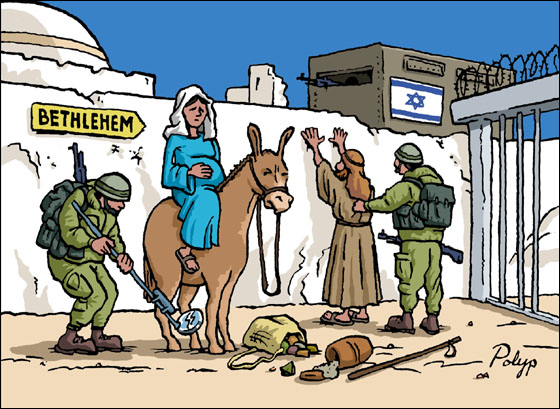






 The guilty verdict and life sentence passed today on Thomas Mair, for the murder of Jo Cox MP, brings sombre thoughts, not least because rhe murderer shares my surname and nationality. There is something about the face to face stabbing amd shooting of a defenceless person which seems particularly barbaric, although I know that targeted drone strikes are in fact worse. Any butchering of a human being for political reasons diminishes us all.
 “You have heard that they said, Thou shalt not kill. And if anyone does kill he must answer for it to the court. But I say this to you. Anyone who is angry with his brother shall answer for it to the court; and anyone who calls his brother worthless will answer to the Council, and anyone who slanders his brother will answer for it in hellfire.”
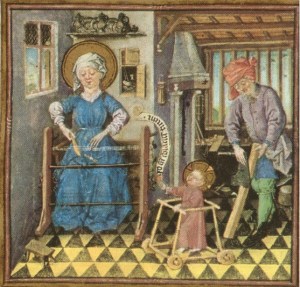
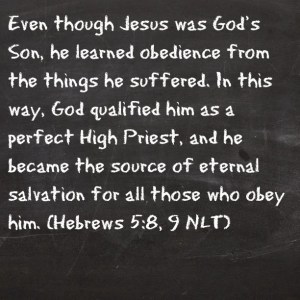 The logical answer given by some theologians is that of course we cannot learn pefection but must be born again through the spirit to share in the divine life of Jesus and of the Father. They called this theosis, becoming like God. I see the point of this theology and admire its scope and severity, and for a moment I’m tempted to dismiss all this blog as crude, worldly, banter which cannot conceive of either the corruption of human nature, or of the divine perfection that rescues us. Tempted but not convinced, for in all its logic this theology does scant justice to the human capacity to learn or to the one who taught perfection, the Rabbi from Nazareth who ate and drank with sinners and “learned obedience through suffering.”
 xtremejesus